

Common Hydraulic Hammer Mistakes That Damage Machines (And How to Avoid Them)
Most hydraulic hammer damage is caused by operator mistakes, not equipment failure. The biggest issues are incorrect sizing, dry firing, poor machine setup, and lack of maintenance. Avoiding these mistakes improves performance, reduces downtime, and extends machine life significantly.
1. What Are the Most Common Hydraulic Hammer Mistakes?
Hydraulic hammer damage usually comes from a few repeatable errors on job sites.
- Using the wrong breaker size for the machine
- Incorrect hydraulic flow or pressure setup
- Dry firing the hammer
- Applying excessive downward force
- Skipping routine maintenance
These mistakes increase wear, reduce performance, and lead to costly repairs.
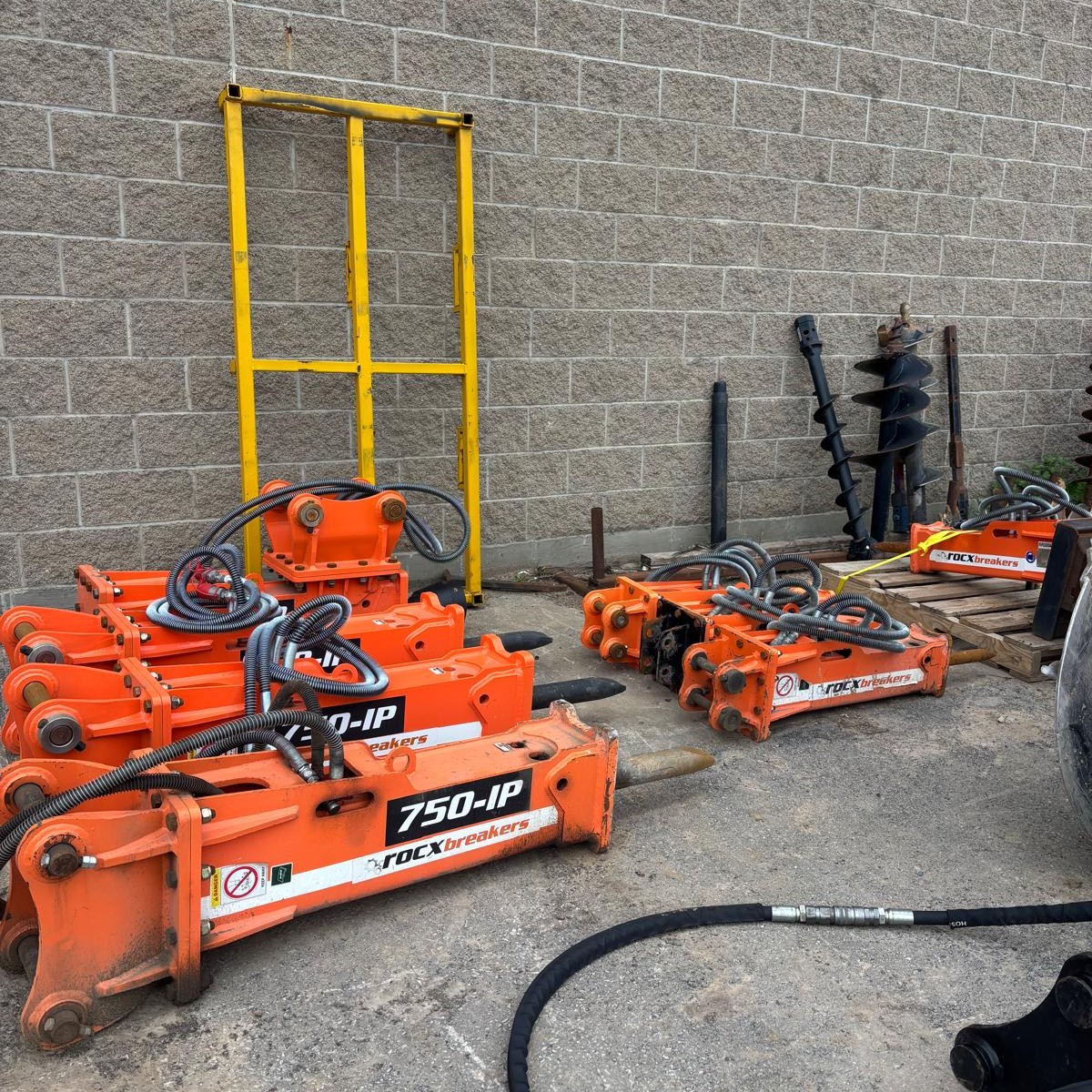
2. Why Does Using the Wrong Size Breaker Damage Machines?
Incorrect breaker sizing is one of the most common causes of machine damage.
If the breaker is too large:
- It overloads the excavator hydraulics
- Increases vibration and structural stress
- Can shorten machine lifespan
If the breaker is too small:
- Reduced breaking power and efficiency
- Longer job times
- Excess wear on the hammer itself
Proper sizing ensures safe, balanced performance.
To avoid mismatches, always compare machine specs before renting or using a breaker.
3. What Is Dry Firing and Why Is It Dangerous?
Dry firing happens when the hammer operates without proper contact on material.
This can cause:
- Internal piston damage
- Broken bushings and seals
- Reduced tool life
- Higher repair costs
Always ensure the tool is firmly pressed against material before activating the hammer.
4. Why Is Excessive Downward Force a Mistake?
Many operators think more pressure improves performance, but it does not.
Problems caused by too much force:
- Reduced impact efficiency
- Faster wear on the tool and machine
- Potential internal hammer damage
Hydraulic hammers are designed to work with impact energy, not constant pushing force.
5. How Does Poor Maintenance Damage Hydraulic Hammers?
Skipping maintenance is one of the fastest ways to shorten equipment life.
Common issues include:
- Lack of grease on wear points
- Worn chisels and bushings
- Hydraulic contamination
- Loose fittings or oil leaks
Regular inspection and lubrication prevent most breakdowns and keep performance consistent.
6. Why Does Machine Setup Matter?
Incorrect hydraulic setup can seriously impact performance and safety.
Always check:
- Correct flow rate settings
- Proper pressure levels
- Secure hoses and fittings
If the setup is wrong, the hammer will underperform and wear out faster.
7. How Can You Prevent Hydraulic Hammer Damage?
- Match breaker size to machine correctly
- Avoid dry firing completely
- Let the hammer do the work
- Use correct hydraulic settings
- Follow a regular maintenance schedule
Small habits make a big difference in equipment life and performance.
8. Built for Reliable Performance on Demanding Job Sites
RocxBreaker manufactures high-performance hydraulic breakers designed for demanding construction, demolition, quarrying, and utility work across the US.
RocxBreaker hydraulic hammers are built for:
- Correct machine compatibility
- Heavy-duty durability
- High-impact performance on rock, concrete, and asphalt
- Low maintenance and high uptime
- Reliable operation in tough job site conditions
9. What Is the Key Takeaway?
Most hydraulic hammer damage is preventable. Correct sizing, proper operation, and regular maintenance are the key factors that protect your machine and improve performance.
Need a reliable hydraulic breaker built for tough job site conditions? Explore the heavy-duty range from RocxBreaker and find the right hydraulic hammer for maximum performance, durability, and machine compatibility.